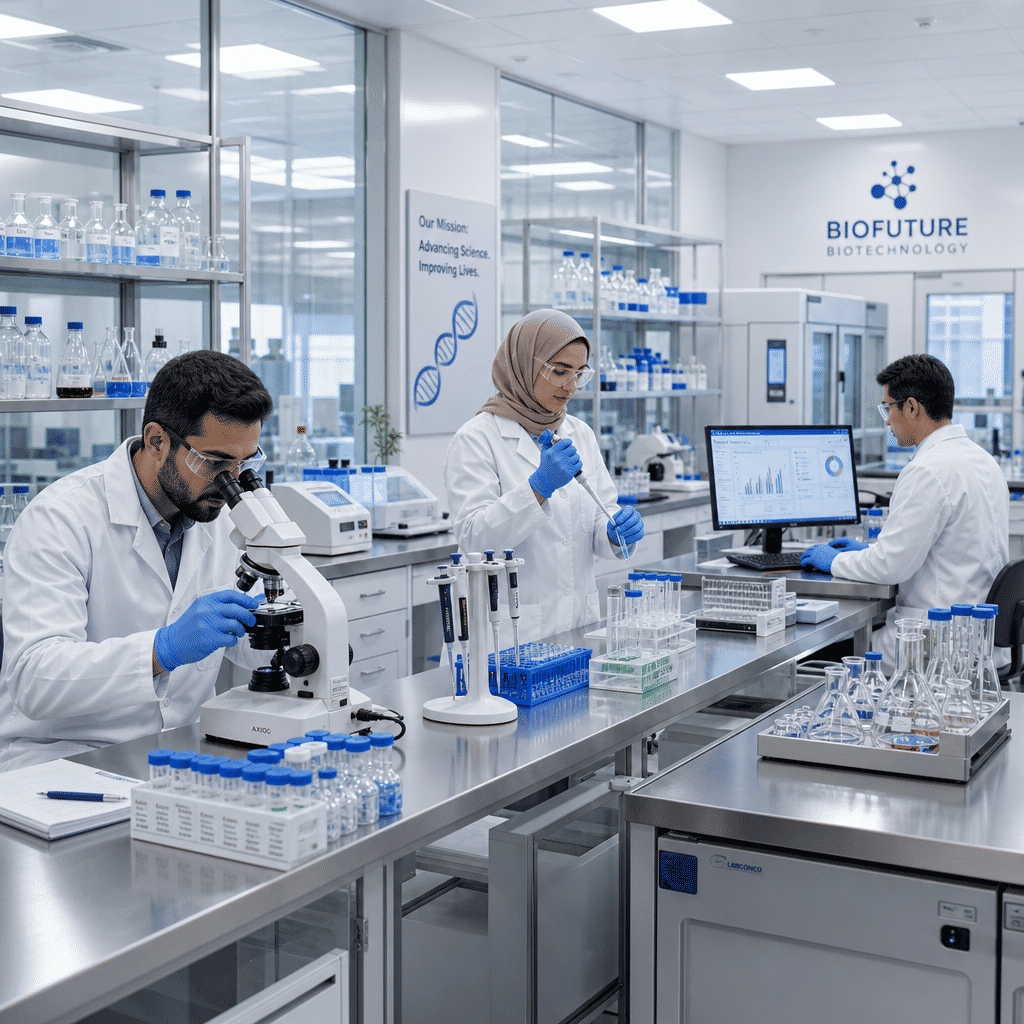
Biotechnology has always been at the forefront of groundbreaking innovations that transform our understanding of biology and medicine, providing solutions to some of the most pressing health challenges. Recent advancements in this field are particularly promising, offering novel approaches to improve health and enhance the quality of life worldwide.
One of the most exciting breakthroughs in biotechnology is the development of CRISPR-based gene-editing technologies. CRISPR-Cas9, initially discovered as a bacterial defense mechanism, has been adapted to precisely edit genes within human cells. This revolutionary technique has opened the door to potential cures for genetic disorders such as cystic fibrosis, sickle cell anemia, and muscular dystrophy. Researchers are also exploring its use in oncology, where CRISPR can target and eliminate cancer cells at their genetic roots.
Another area where biotechnology is making strides is in the realm of regenerative medicine. This field focuses on repairing, replacing, or regenerating human cells, tissues, and organs to restore or establish normal function. Recent developments in stem cell research and tissue engineering are paving the way for regenerative therapies that promise to treat conditions such as spinal cord injuries, heart disease, and diabetes. Bioprinting, a form of 3D printing where biological tissue is generated, is enabling the creation of tissues and even organs, potentially resolving the shortage of organs available for transplant.
Biotechnology is also revolutionizing the field of personalized medicine. By leveraging data from genomic sequencing and bioinformatics, healthcare providers can now offer treatments tailored specifically to the genetic makeup of individual patients. This personalized approach not only enhances the effectiveness of therapies but also reduces the risk of adverse reactions. For instance, pharmacogenomics, a branch of personalized medicine, studies how genes affect a person's response to drugs, facilitating the development of tailored medication regimens that maximize efficacy and minimize side effects.
The intersection of biotechnology and artificial intelligence is another promising development. AI's ability to analyze vast amounts of data is aiding researchers in understanding complex biological systems and processes at an unprecedented scale. Machine learning algorithms are being employed to predict disease outbreaks, identify potential drug candidates, and even accelerate the drug discovery process. This synergy between biotechnology and AI is set to reshape the landscapes of disease prevention, diagnosis, and treatment.
Moreover, biotechnology is addressing global health challenges through the development of innovative vaccines and diagnostic tools. The COVID-19 pandemic underscored the importance of rapid vaccine deployment and effective diagnostics. The use of mRNA technology in COVID-19 vaccines demonstrated how quickly biotech can respond to emerging health threats. Work is now underway to apply similar technologies to combat other infectious diseases, potentially revolutionizing the way vaccines are produced and administered.
The advancements in biotechnology are not limited to human health alone. Agricultural biotechnology is playing a crucial role in enhancing food security by developing crops that are more resistant to diseases, pests, and environmental stressors. Genetically modified organisms (GMOs) and gene-editing technologies are being utilized to increase crop yields, improve nutritional content, and reduce dependency on chemical pesticides and fertilizers, thus promoting sustainable agricultural practices.
In conclusion, the field of biotechnology is ushering in a new era of health and medicine, characterized by personalized, precise, and advanced therapeutic options. The integration of cutting-edge technologies and interdisciplinary collaboration is set to overcome current limitations and address future challenges, providing hope for a healthier, more sustainable future. As research continues to advance, the impact of these biotechnological breakthroughs will be felt across every aspect of life, fostering longevity, wellness, and overall quality of life for people around the globe.