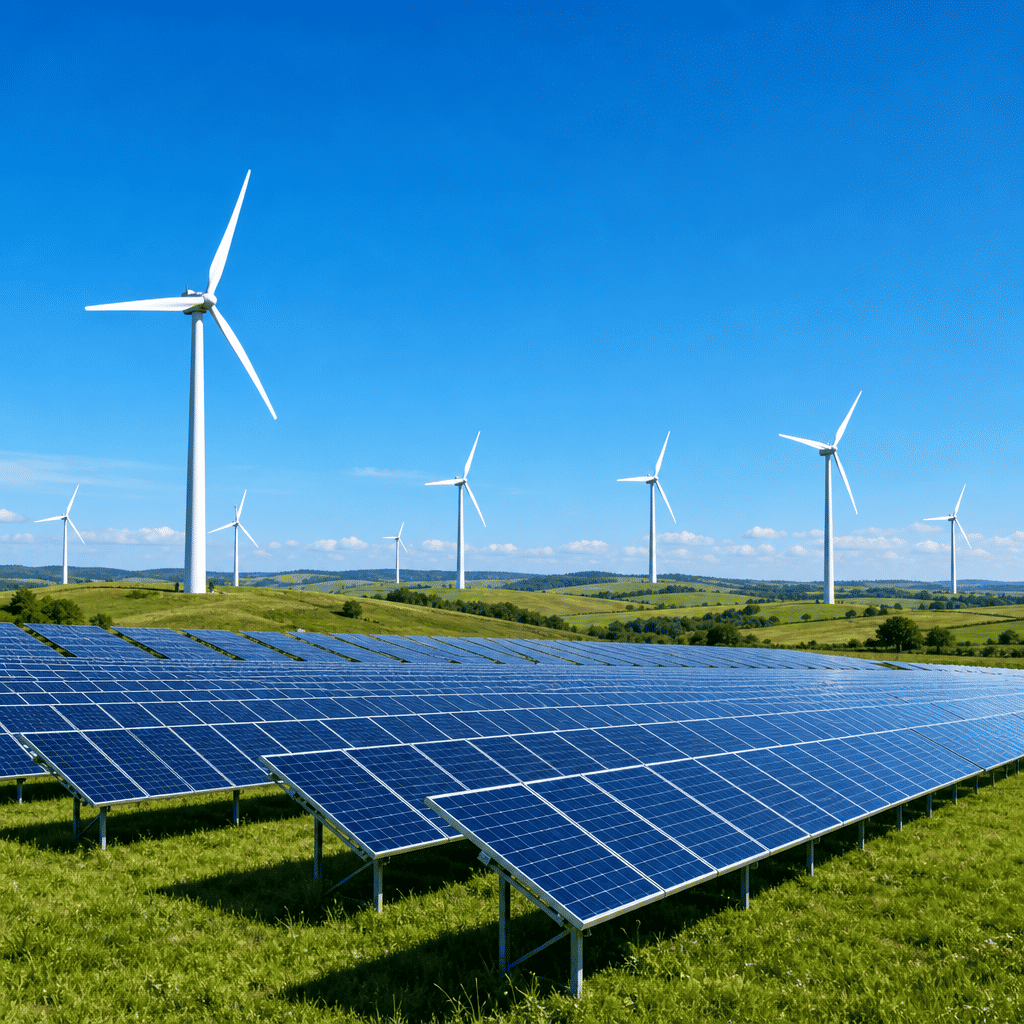
As the world grapples with the dual challenges of climate change and dwindling natural resources, the quest for sustainable energy solutions has never been more urgent. These solutions not only focus on the environmental imperative but also on building resilient energy systems that empower communities and drive economic growth. Developing such solutions involves harnessing innovative technologies, tapping into abundant renewable resources, and fostering collaborative policy frameworks that encourage sustainability.
One of the cornerstones of sustainable energy solutions is the shift from fossil fuels to renewable energy sources, such as solar, wind, hydroelectric, and geothermal. Solar photovoltaic technology has experienced remarkable advancements, making solar energy more affordable and accessible than ever. Innovations in battery storage technologies complement this rise, enabling the preservation of excess solar energy for use during non-sunny periods, thereby addressing the intermittency issue that plagued earlier solar energy systems.
Wind energy is another promising frontier. Offshore and onshore wind farms have proliferated, driven by improvements in turbine efficiency and installation techniques. These developments have made wind power a viable and scalable solution, capable of meeting substantial portions of energy demand while maintaining a minimal environmental footprint.
Hydroelectric power, despite being a more established technology, continues to evolve with emerging designs in smaller-scale, environmentally sensitive installations, often referred to as run-of-the-river systems. These systems provide energy solutions that do not necessitate the large-scale habitat disruption often associated with traditional dams.
Geothermal energy remains an underutilized resource with immense potential. By tapping into the Earth's internal heat, geothermal plants can provide a continuous power supply, unaffected by weather or seasonal changes. With continued exploration and investment, particularly in regions characterized by tectonic activity, geothermal energy can significantly contribute to the global energy mix.
Moreover, advancing sustainable energy solutions involves integrating intelligent energy management systems that optimize consumption patterns and reduce waste. Smart grids and energy-efficient technologies empower consumers, offering them greater control over their energy use and reducing overall demand on the energy system. These systems enable real-time monitoring and adjustments, ensuring that energy is consumed as efficiently as it is produced.
The transition towards a sustainable energy future also necessitates comprehensive policy support and international cooperation. Governments must foster environments that promote research, innovation, and implementation of sustainable energy projects through incentives, funding, and regulatory frameworks. International collaborations can facilitate the exchange of technology and best practices, accelerating the global shift towards sustainability.
Furthermore, addressing the social dimensions of energy transitions is crucial. Energy solutions must be equitable and inclusive, ensuring that all communities, including marginalized groups, are empowered and benefitted. Education and workforce development initiatives are key in preparing a new generation of skilled workers to drive the clean energy revolution.
Ultimately, the pursuit of sustainable energy solutions is not just a technological challenge but a moral imperative. By reducing our dependence on non-renewable resources and embracing cleaner alternatives, we pave the way for a healthier planet and a more prosperous future for all. The time to act is now, and as individuals, businesses, and nations, we each have a role to play in making sustainable energy a reality.